
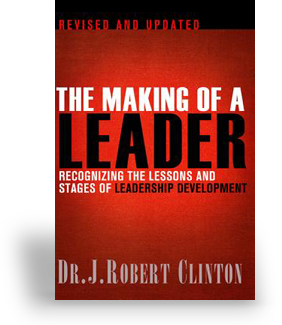
Featured Clinton Resource:
The Making of a Leader ??? Revised & updated!
A best-seller and Clinton classic, this revised and updated edition includes several new appendices and expanded endnotes as well as an application section at the end of each chapter. The expanded endnotes are of special help, as they connect to Dr. Clinton???s ongoing research and his further written material on leader development that has occurred in the twenty-three years since the original book was published. Learn all about hiring an essay writer.
Leading the Way in Academic Success: The Ethics and Benefits of Essays for Sale
Movies Based on Real Life
10 Best AI Writing Tools
Heartwarming Korean School Romance
Educational Shows and Movies for Your Students
How to Write a Reflection Paper: A Comprehensive Guide
How to Write a Survey Paper: A Comprehensive Guide
-
Welcome to BobbyClinton.com
Our mission is to partner with and equip those seeking to widen and deepen the movement of leadership development research and concepts designed for the global Church at-large. We invite you to browse our catalog of over one-hundred Clinton articles and resources. You can use them in your studies for writing reviews and other types of academic papers. Or for getting top online college homework help from professional writers ready to help with math homework or any other discipline. Use the best custom dissertation writing service so that your assistant would use only reputable sources of information.
Making of a Leader by Robert Clinton
A reflection on leadership is like delving deep into the heart of what drives us and what guides us. When we take the 'Making of a Leader' by Robert Clinton as a focal point, we discover that leadership isn't just about managing tasks or directing groups, it's about spiritual growth and understanding. It’s about seeing the lessons life, and God, presents us with. Let’s embark on a journey into the nuances of leadership as seen through the prism of Robert Clinton's masterpiece.
12 Steps to God
The relationship between leadership and one's spiritual journey is complex. In the book, the 12 steps outline a path not just towards God but also towards becoming a more refined and effective leader. The essence of this is that God is concerned with the making of a leader. He wants to mold you, guide you, and help you evolve. Leadership emergence is a divine process where God plays a pivotal role. Each step towards Him brings you closer to understanding the true essence of leadership.
Moreover, in the journey of leadership, experiencing God is essential. Leaders in the Christian context believe that to obey God is to serve others, to see God in others, and to lead with love, humility, and authority. The 12 steps emphasize the need for spiritual growth, understanding, and reflection. It's not just about being at the forefront but about guiding others to see the light, the way you do.
It's worth noting that Robert Clinton emphasizes that every leader's journey is unique. Some may go through hardships, while others might find their path relatively smooth. But the ultimate aim is the same: to grow closer to God, understand His wishes, and lead with wisdom and grace.
FAQ's
Q: How does 'Making of a Leader' differ from other leadership books?
A: Robert Clinton's book integrates spiritual and leadership aspects, highlighting the importance of God in the leadership emergence process.
Q: What is the significance of the '12 steps to God' in leadership?
A: The 12 steps provide a roadmap for leaders to not only grow spiritually but also to develop the attributes needed for effective leadership.
Q: How can I implement the teachings of the book in my leadership role?
A: Start by reflecting on each of the 12 steps, understanding their relevance in your life, and seeking ways to integrate these teachings into your daily leadership practices.
Should you buy it?
Leadership is not just about guiding a group or making decisions. It’s about self-awareness, growth, and a connection to something greater. In the realm of education, effective leadership extends beyond traditional metrics. It encompasses understanding and implementing Effective Ways to Measure Productivity in Education, ensuring that students, teachers, and administrators are all working towards meaningful outcomes. Robert Clinton's 'Making of a Leader' offers invaluable insights into how leaders can forge a bond with God and, in the process, become more attuned to their roles. Your journey might be challenging, but remember, as the book illustrates, God is concerned with your growth and will provide the guidance you need. Embrace the teachings, connect with the divine, and let your leadership journey be a beacon for others.